
Kiambu
Kenya
- Rent from
- KES 9K/month
- Buy from
- KES 10.8M
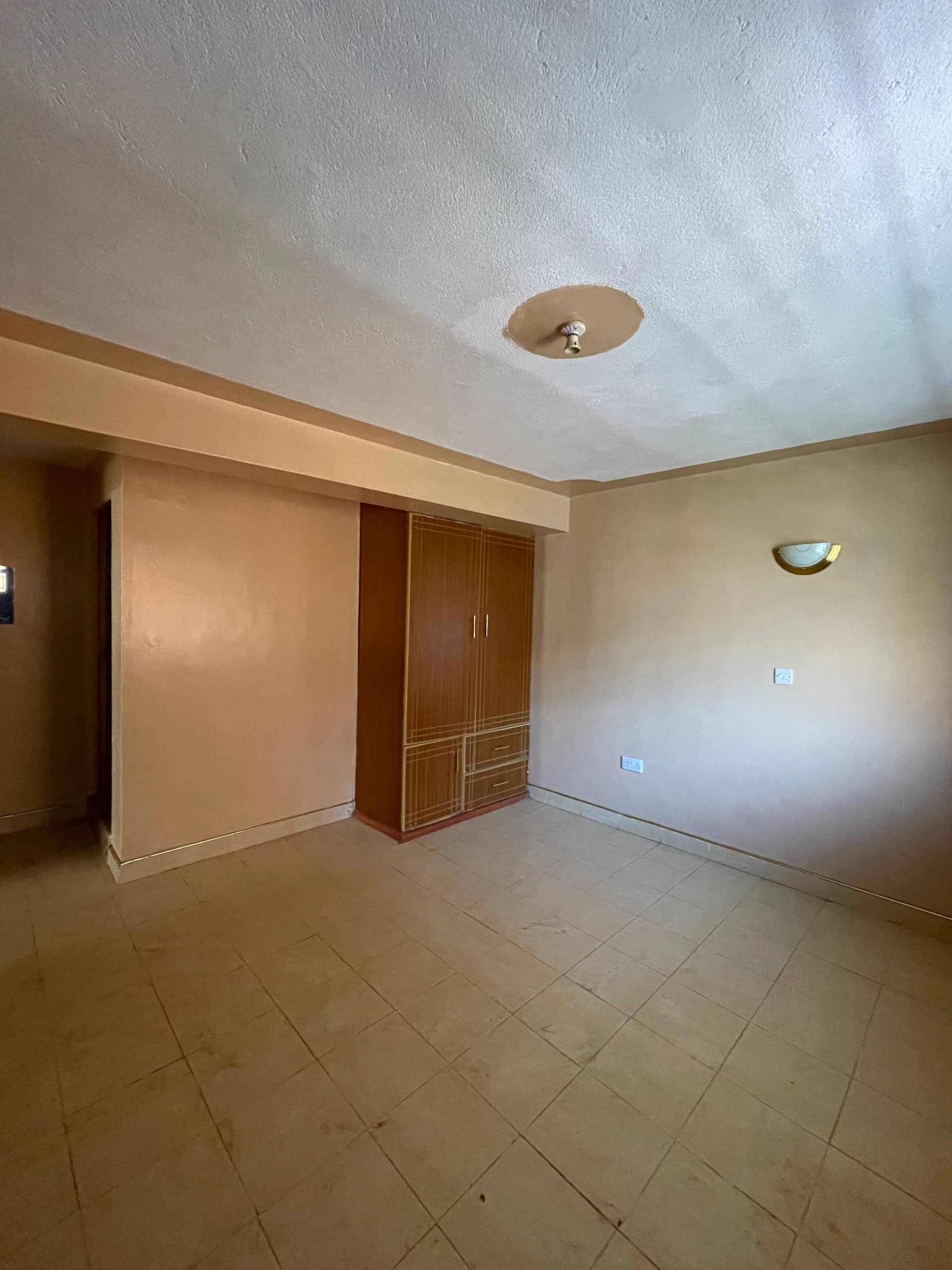
#10110082610
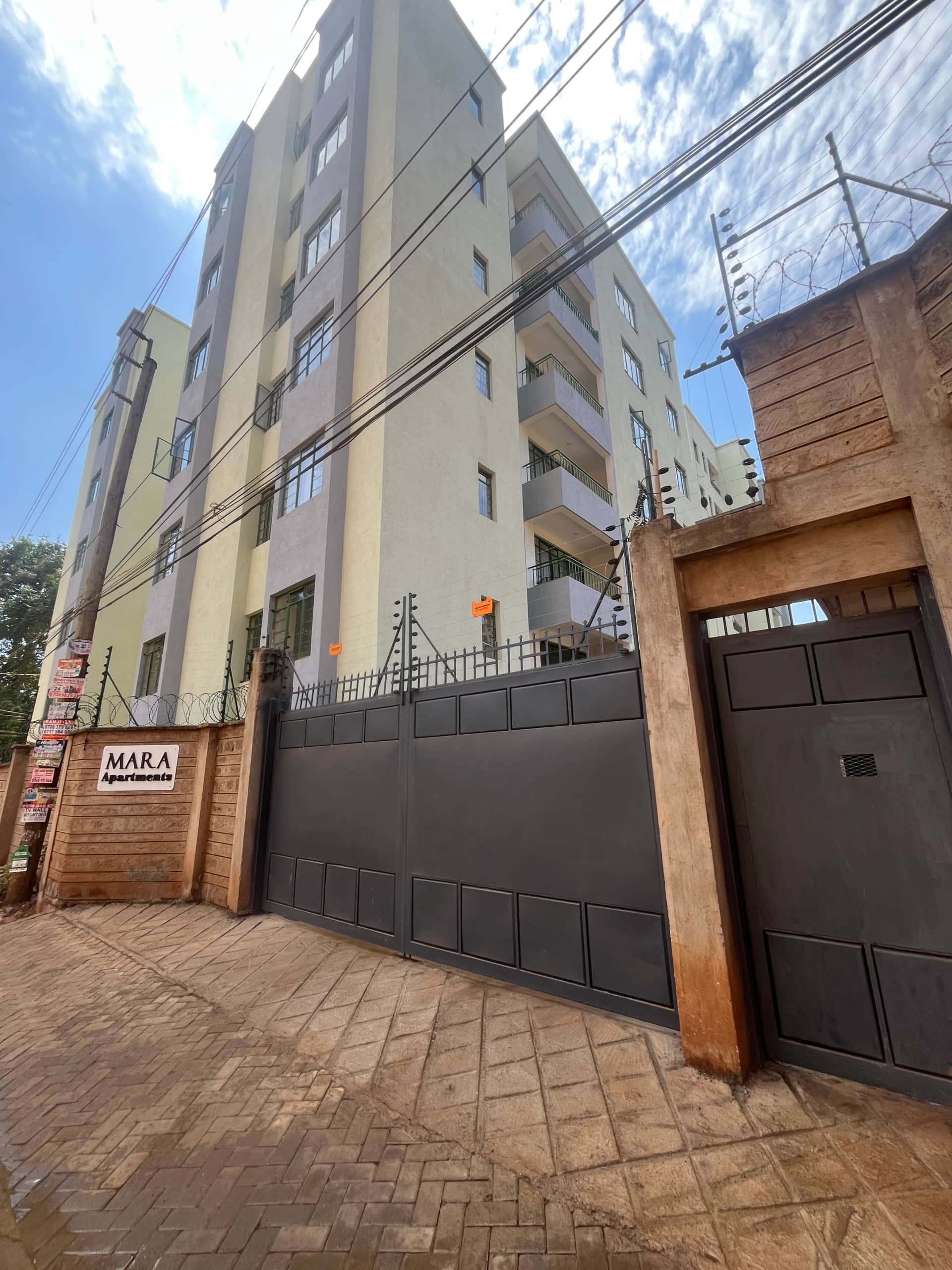
Mara Apartment
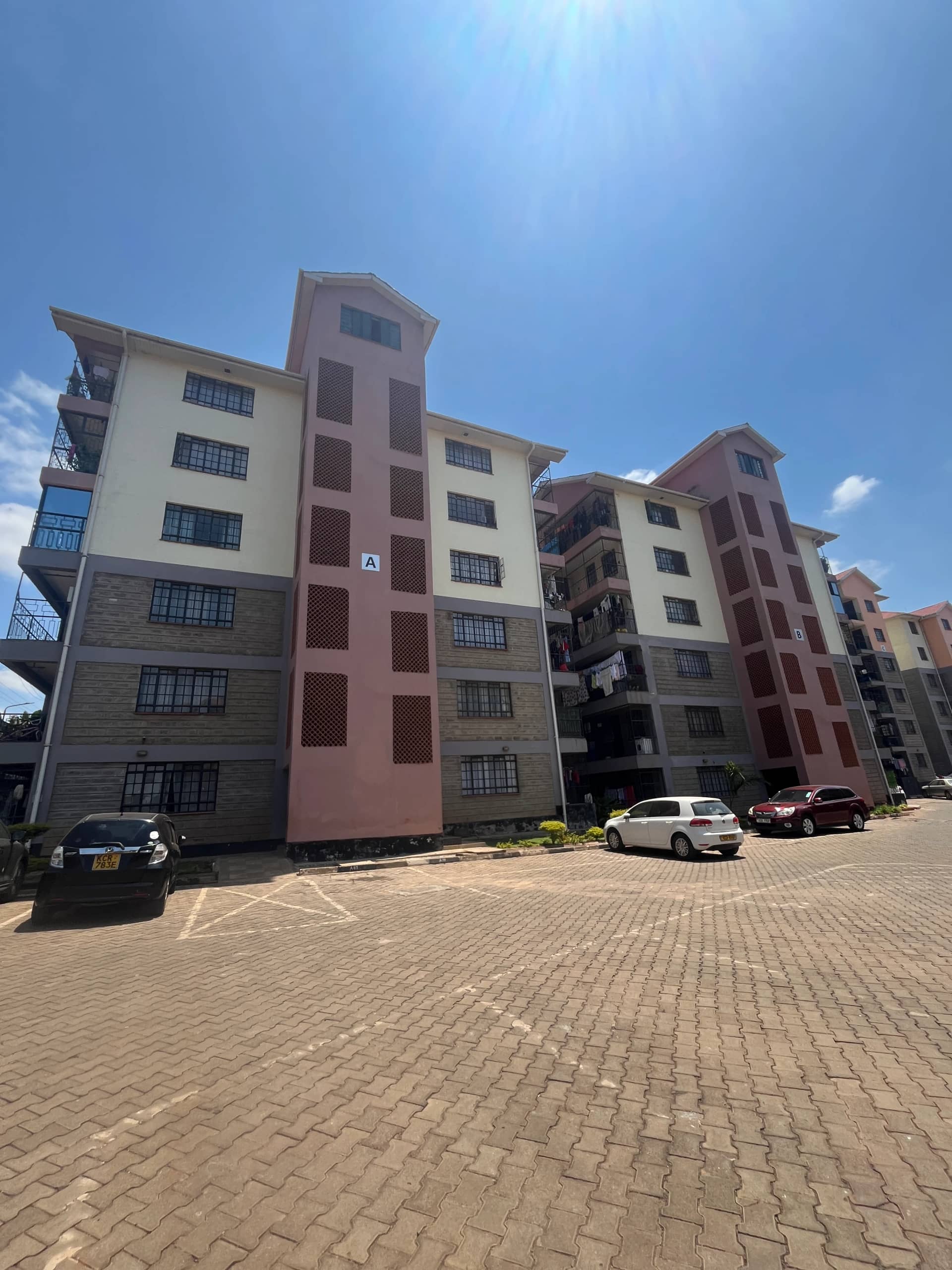
Civil Servants
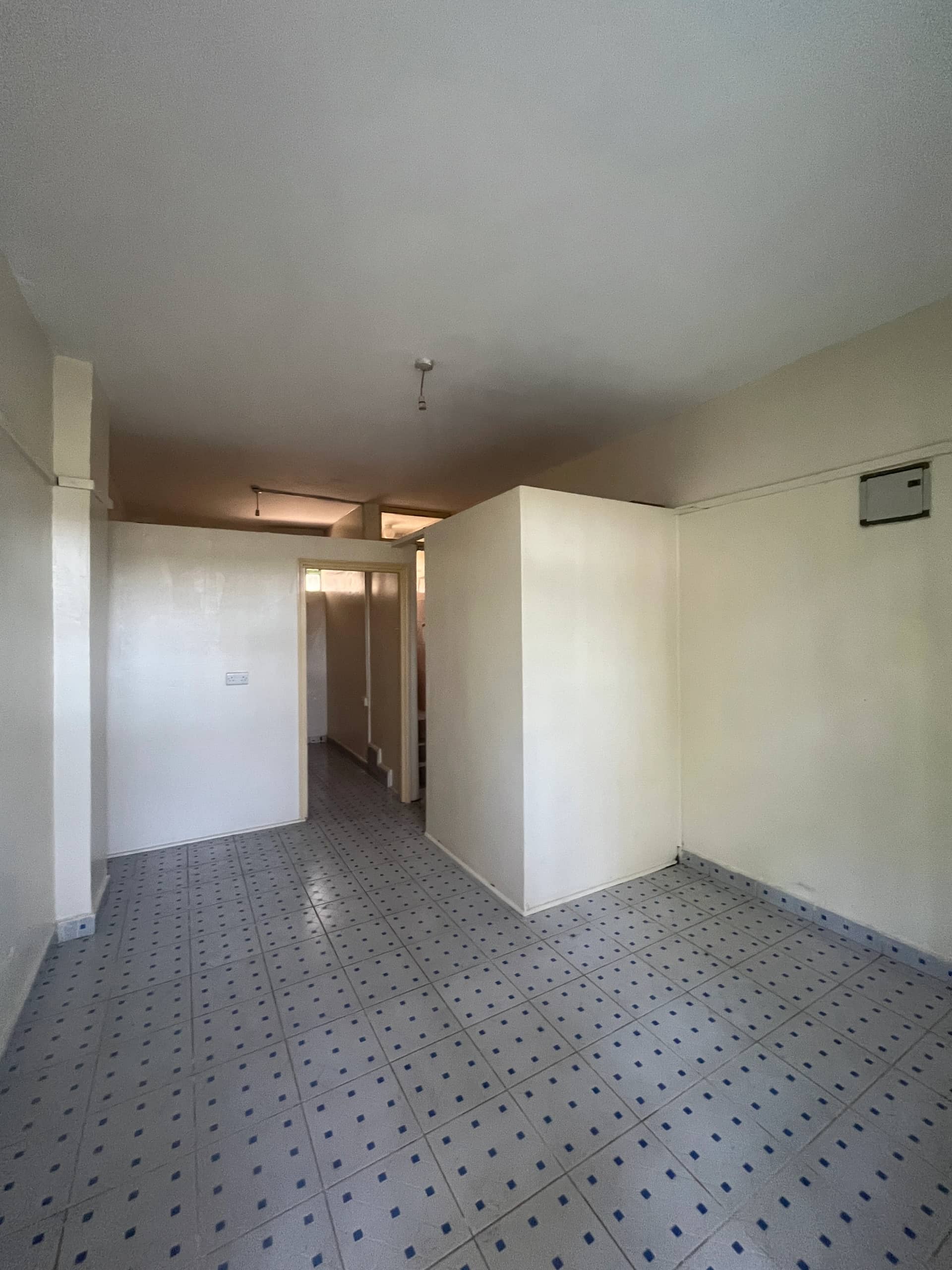
#10414082604
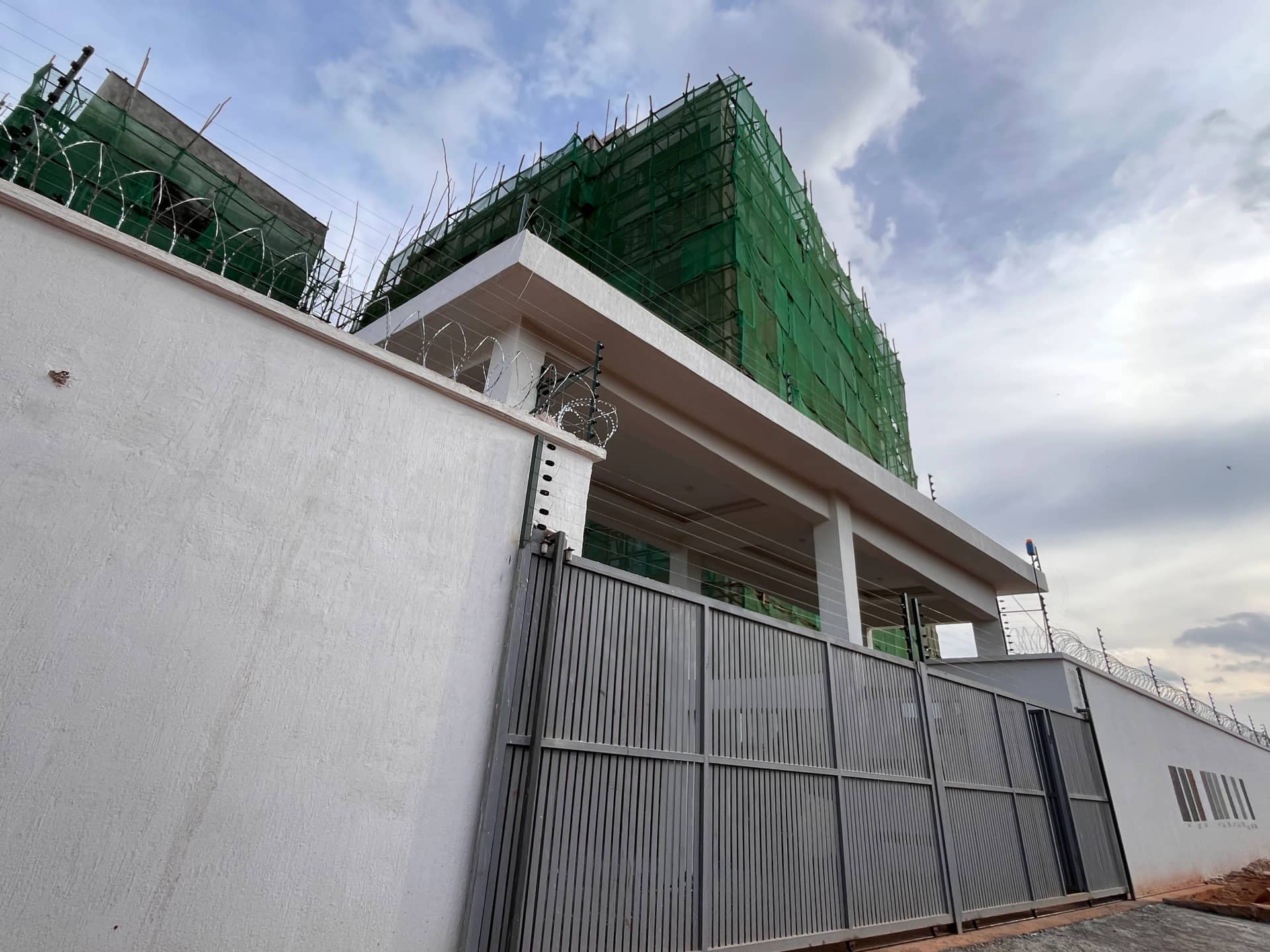
6040 VISTA
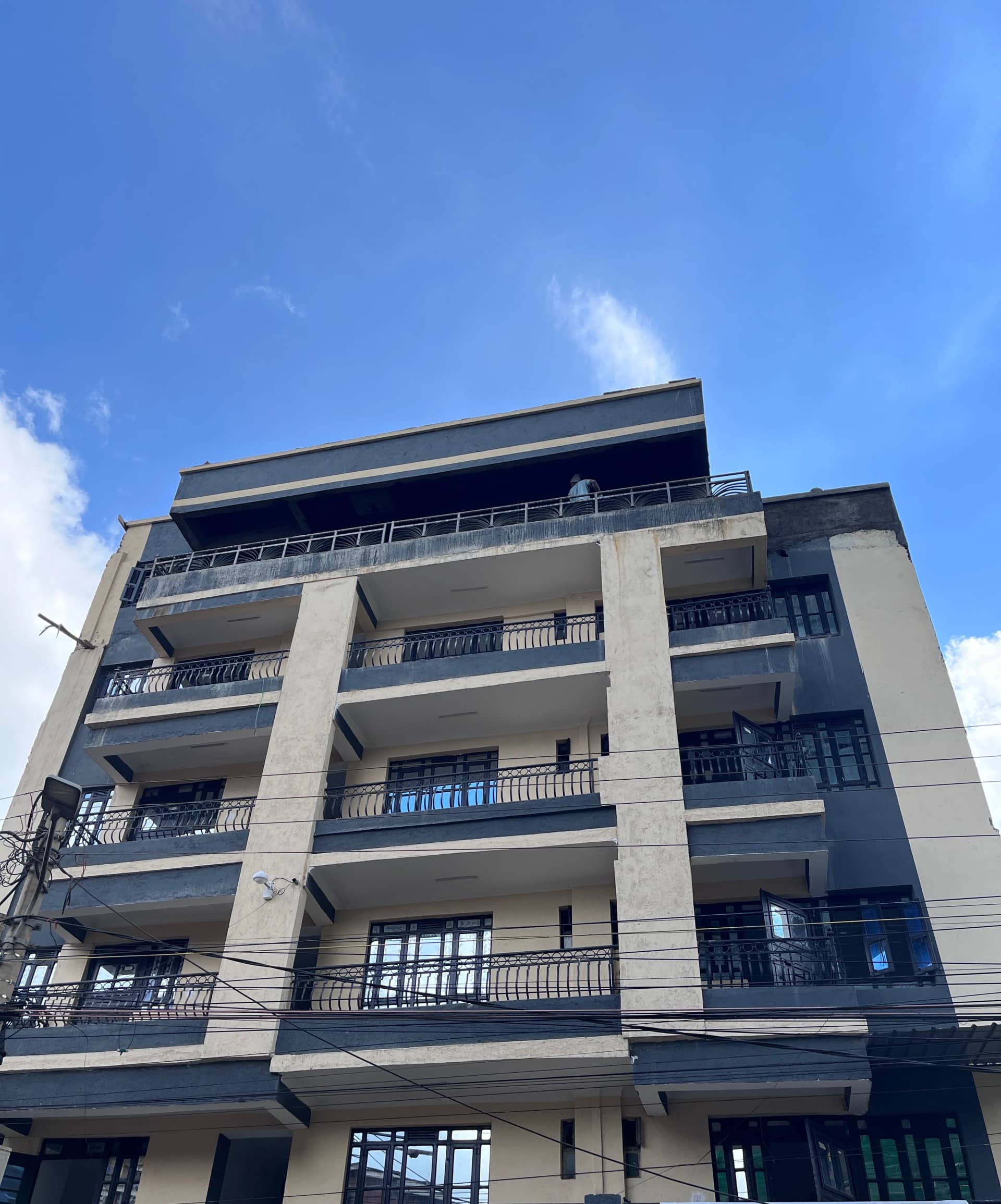
#10111052607
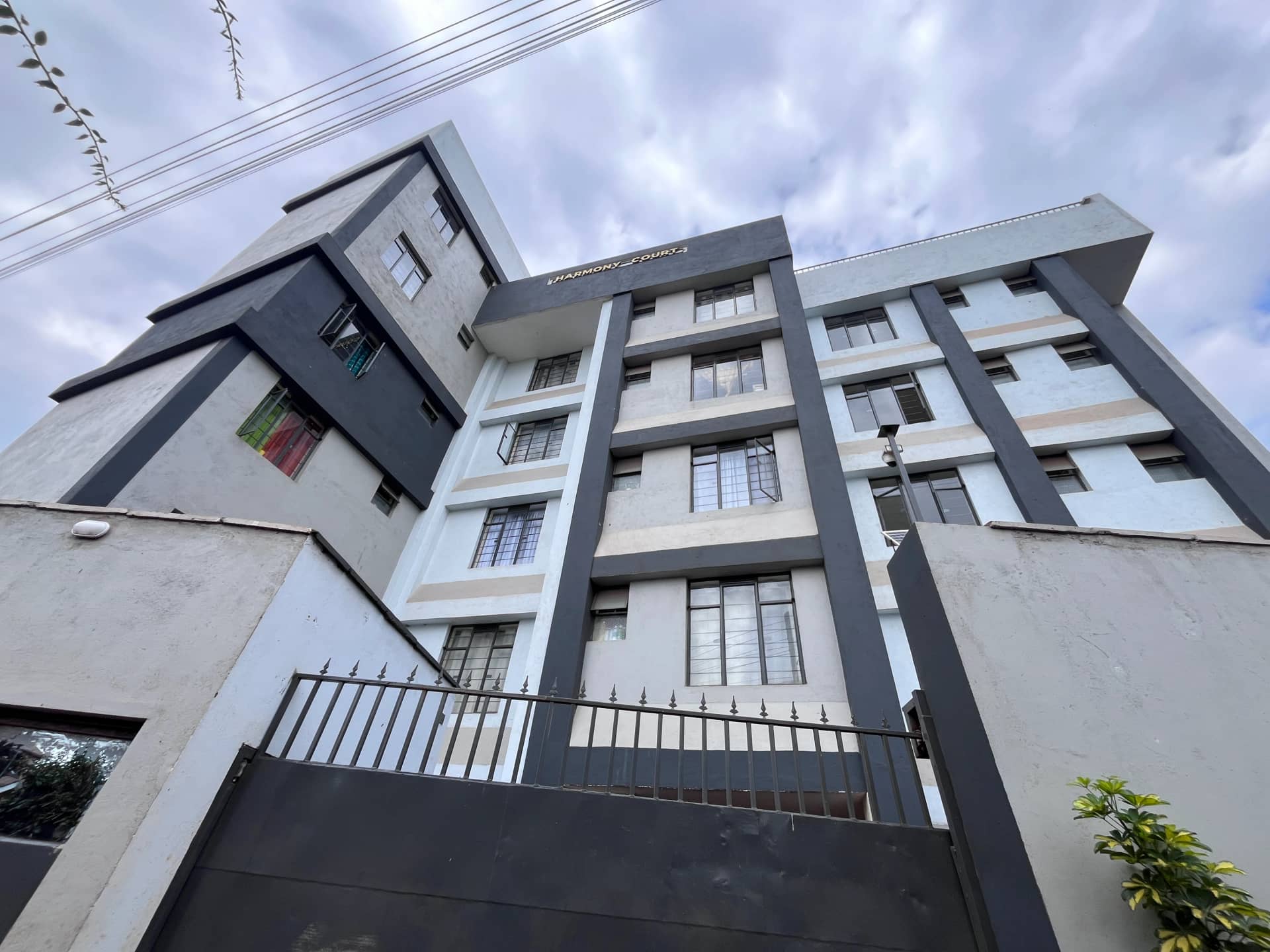
Harmony Court
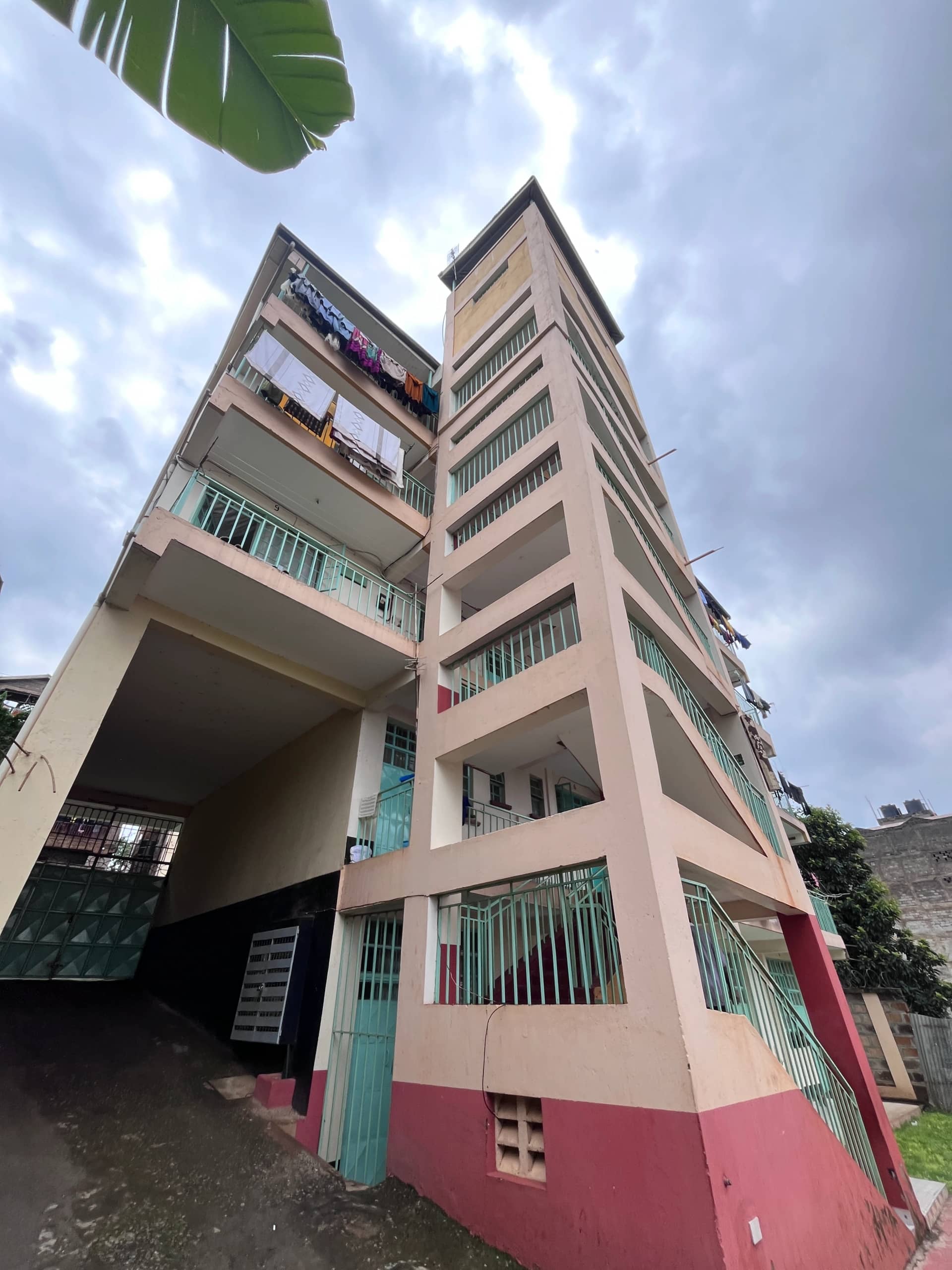
Busacarde Plaza
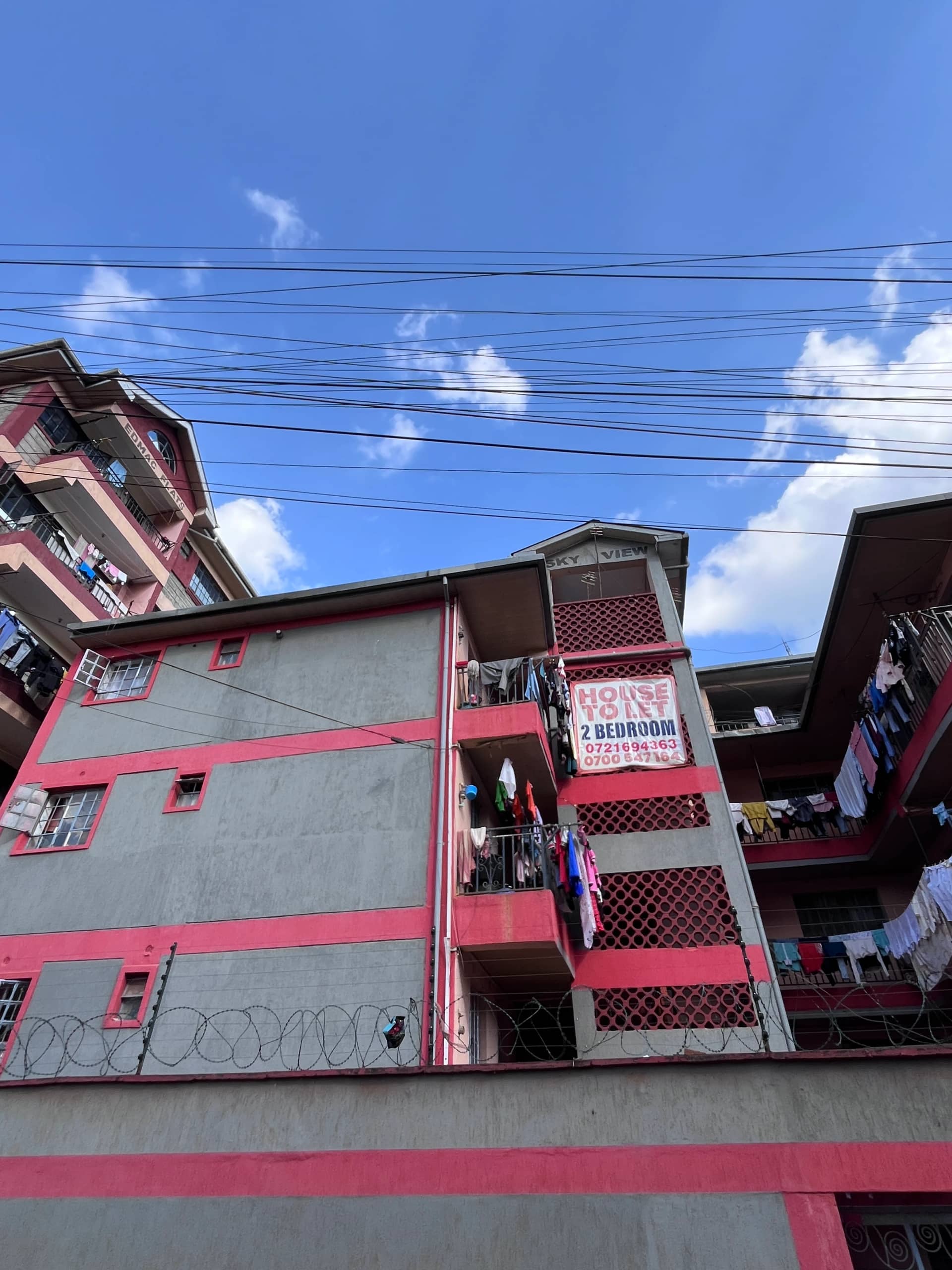
Sky View Apartment
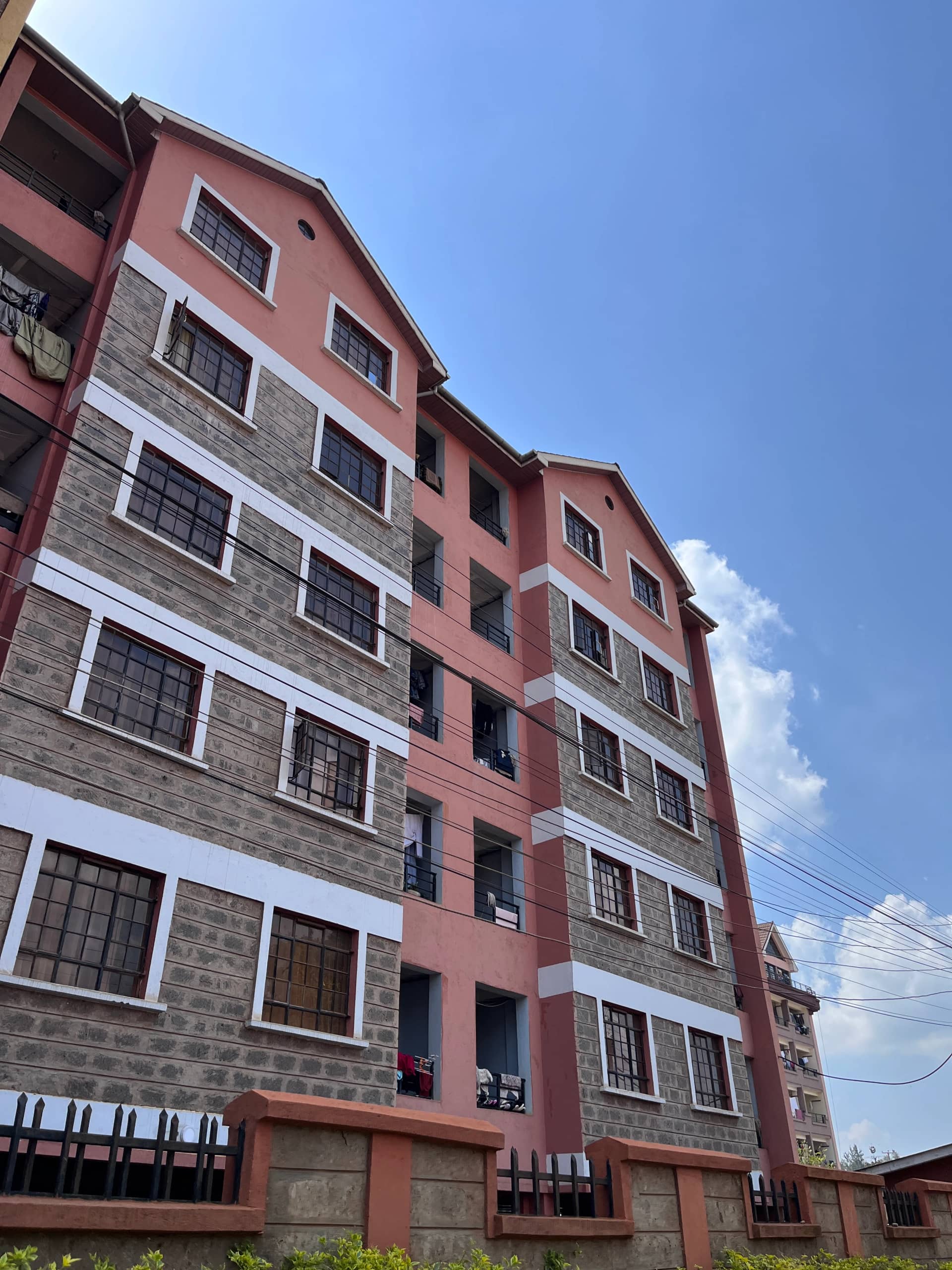
Kitara Heights
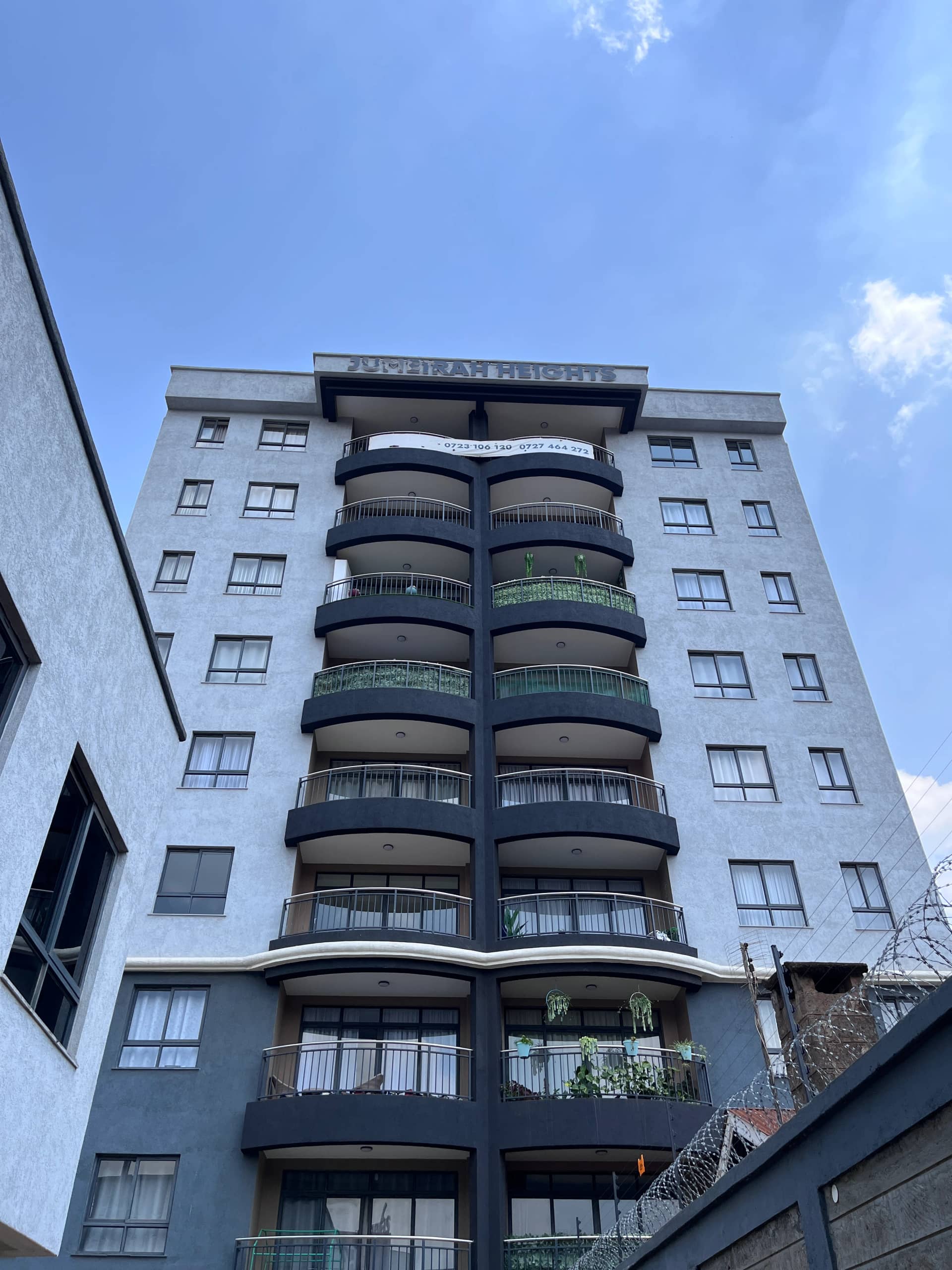
Jumeirah Heights
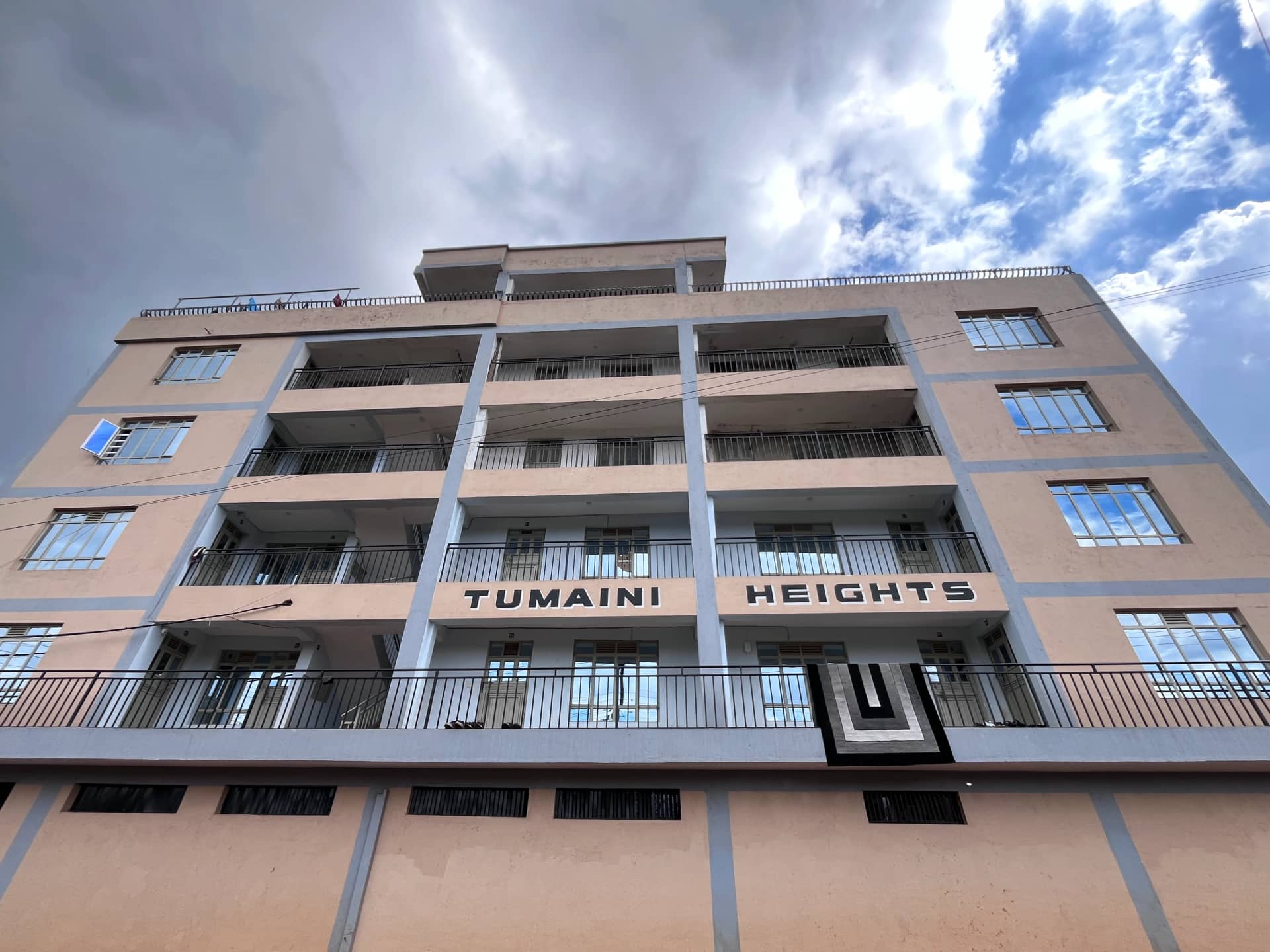
Tumaini Heights
Find rentals with popular amenities
Security Services
Parking Space
CCTV Surveillance
Wifi Ready
Living in Kiambu
Kiambu Town offers a way to live outside Nairobi's busiest core without completely disconnecting from the capital. The town has established residential areas, everyday shopping, public services and newer housing developments, with greener surroundings still visible beyond the more built-up sections.
For renters, the appeal is practical: access to essential services, a range of housing types and connections to Nairobi and neighbouring towns. The trade-off is that commuting conditions depend on your particular route and travel time. Before choosing a house, consider how often you need to be in Nairobi and whether your daily routine works better near the town centre or in a quieter residential pocket.
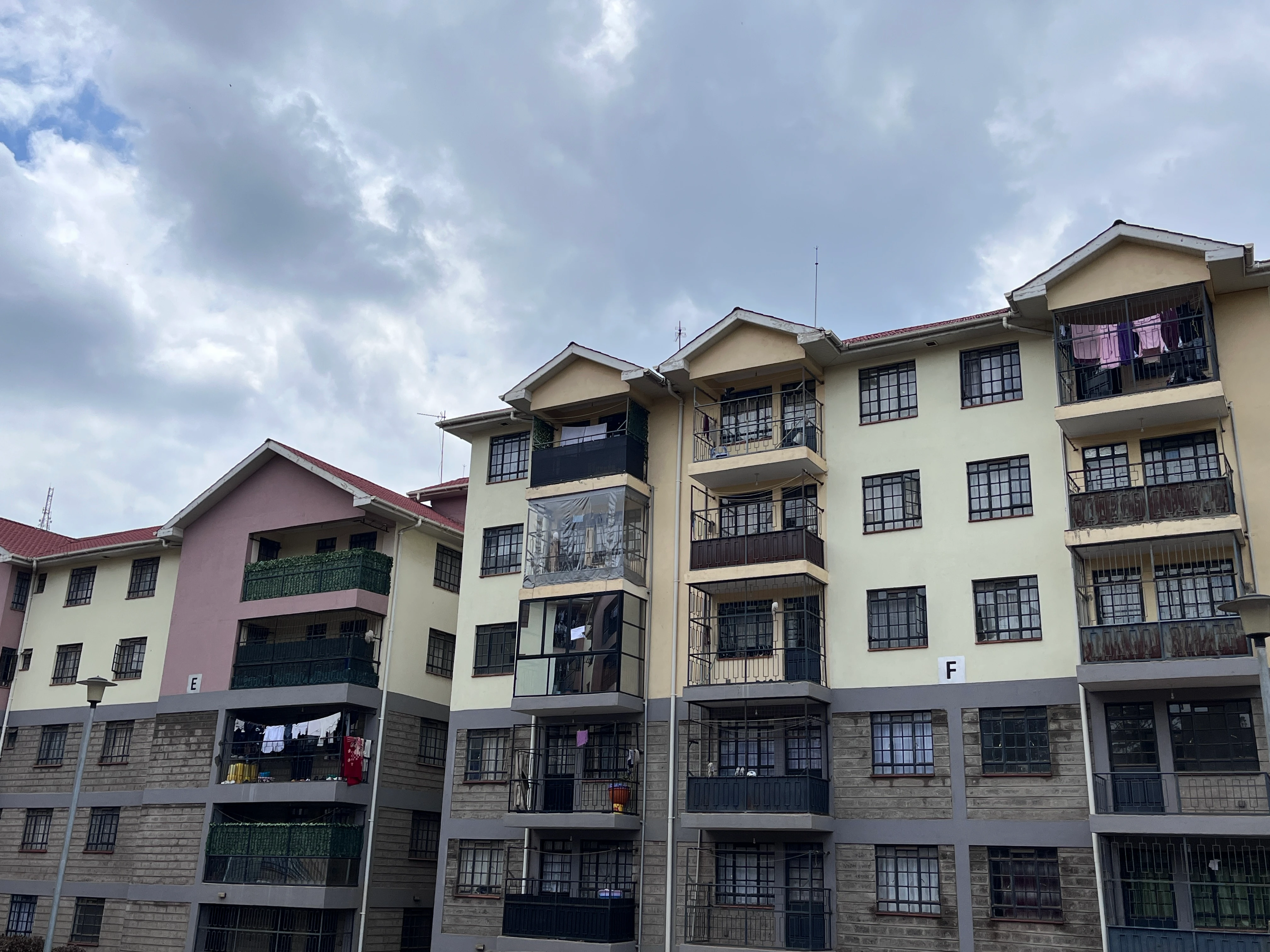
What it is Like to Live in Kiambu
Kiambu combines the rhythm of an established town with the changing character of a growing residential area. Around the centre, shops, businesses, transport activity and public services keep the day moving. Further into residential sections, the atmosphere can become quieter, with family homes, apartment blocks and gated developments occupying different pockets.
The town serves residents with varied routines: people working locally, families managing school runs, business owners and commuters travelling towards Nairobi. Daily errands can often be handled within Kiambu or nearby centres, although the range of services available depends on where you live.
The important detail is that Kiambu is not one uniform neighbourhood. A house near a busy road will offer a different experience from one tucked into an interior estate.
Kiambu Apartment Availability
Kiambu has a mix of bedsitters, one-bedroom and two-bedroom apartments, larger family units, maisonettes and standalone homes. Apartment buildings are found around established centres and along developed road corridors, while lower-density residential pockets offer different options for households seeking more space.
The condition of the building, parking arrangements, water supply, security setup and distance to transport can vary considerably. Renters should compare individual properties rather than assuming that all homes within the same neighbourhood offer similar value.
Cost of Living in Kiambu
Living costs depend on the specific estate and your daily routine. Housing near major roads, established shopping areas or newer gated developments may cost more than options further inside residential sections.
Rather than relying on a single county-wide rent estimate, compare current listings for the same unit size and similar amenities. Remember to budget for utilities, internet, transport and any building or estate charges that apply. Kiambu may offer housing options with more space than some inner-city locations, but that does not automatically make every aspect of living there cheaper.
Where to Live in Kiambu
- For convenience: Consider locations near the town centre, established shopping areas and public transport.
- For a quieter residential setting: Explore interior estates and areas away from the busiest roads.
- For families: Compare access to schools, healthcare, shopping and the routes you use most often.
- For commuters: Test your likely journey to work during peak hours before committing to a lease.
Architectural Style in Kiambu
Kiambu's built environment includes older standalone homes, apartment blocks, maisonettes and newer gated developments. Some sections are more densely built around commercial activity, while others retain a lower-density residential feel. This mixture reflects the town's gradual expansion and its role as both an established service centre and a residential destination.
Kiambu FAQ
What types of houses are available in Kiambu?
Options include bedsitters, one- and two-bedroom apartments, larger family units, maisonettes and standalone houses.
Is Kiambu suitable for people working in Nairobi?
It can be, particularly for commuters whose workplace is accessible from their chosen route. Check peak-hour travel times before deciding.
Which areas should I consider in Kiambu?
Thindigua, Kirigiti, Ndumberi, Riabai and Ting’ang’a are among the names renters may encounter when exploring the wider Kiambu area. Confirm the exact location of any listing, since neighbourhood boundaries and local naming can overlap.
Are shopping and healthcare services accessible?
Kiambu Town has established commercial and public-service facilities. The most convenient options depend on the particular estate and transport available.
Is Kiambu affordable?
Costs vary by property type and location. Compare like-for-like listings rather than assuming every part of Kiambu falls into one price bracket.
What should I check before renting?
Inspect the property, confirm the total monthly cost, ask about water and electricity arrangements, and test the commute you expect to make regularly.